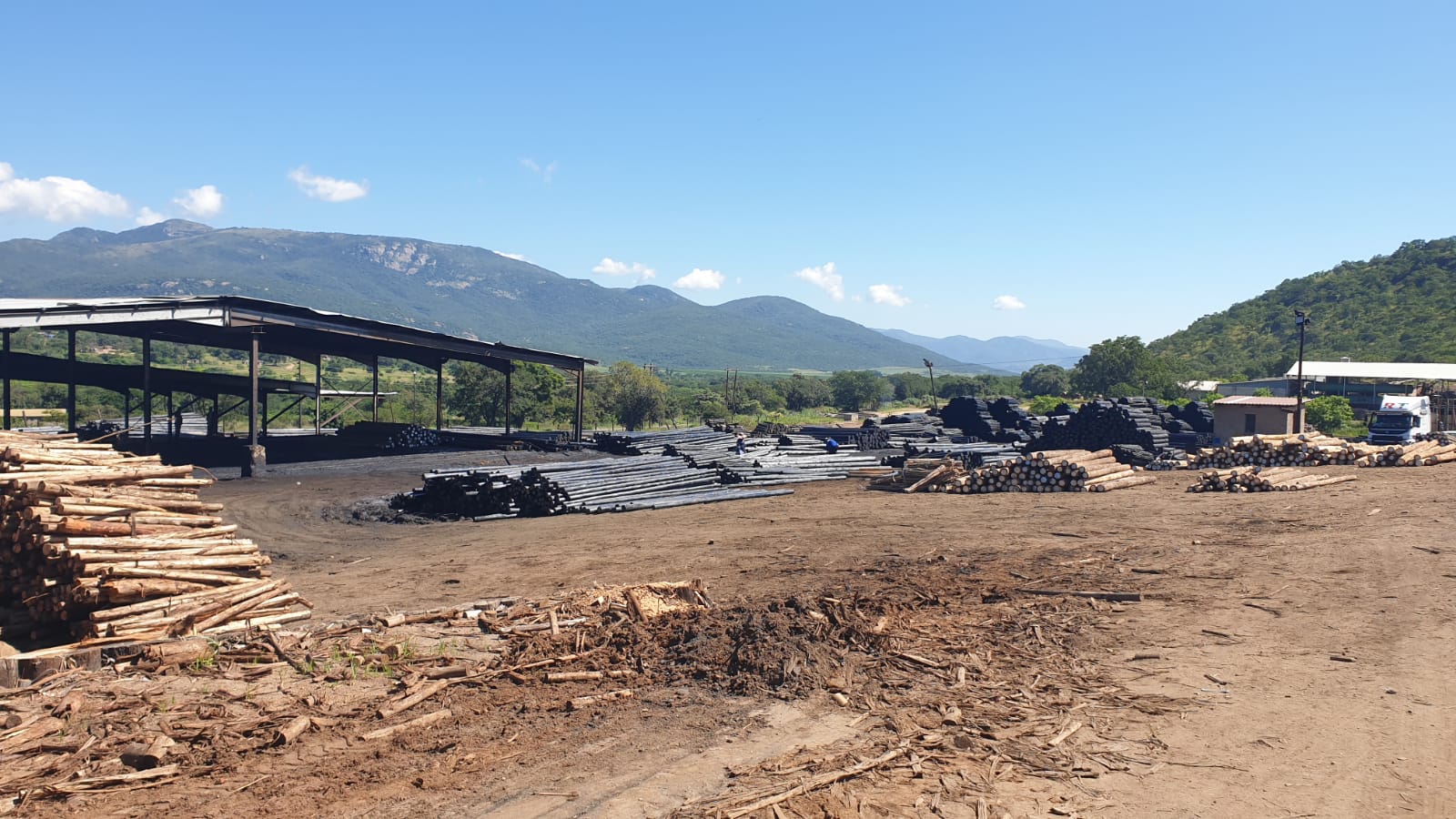

Transmission Poles

Treated telephone poles are a great approach for telecommunications infrastructure that cannot be laid underground.
Where fibre cannot be installed underground, installing an overground cable infrastructure is preferable with traditional treated telephone poles.

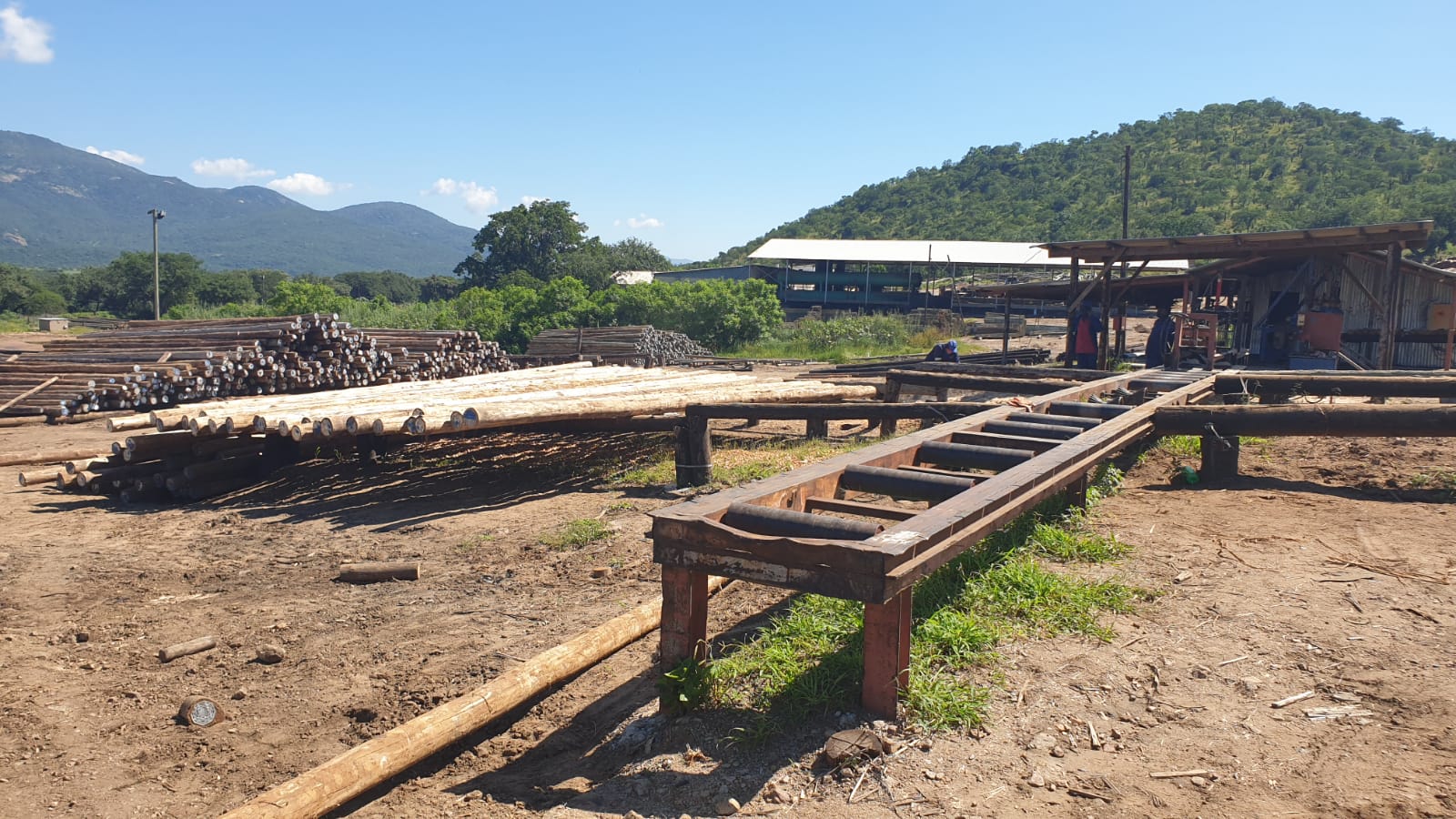
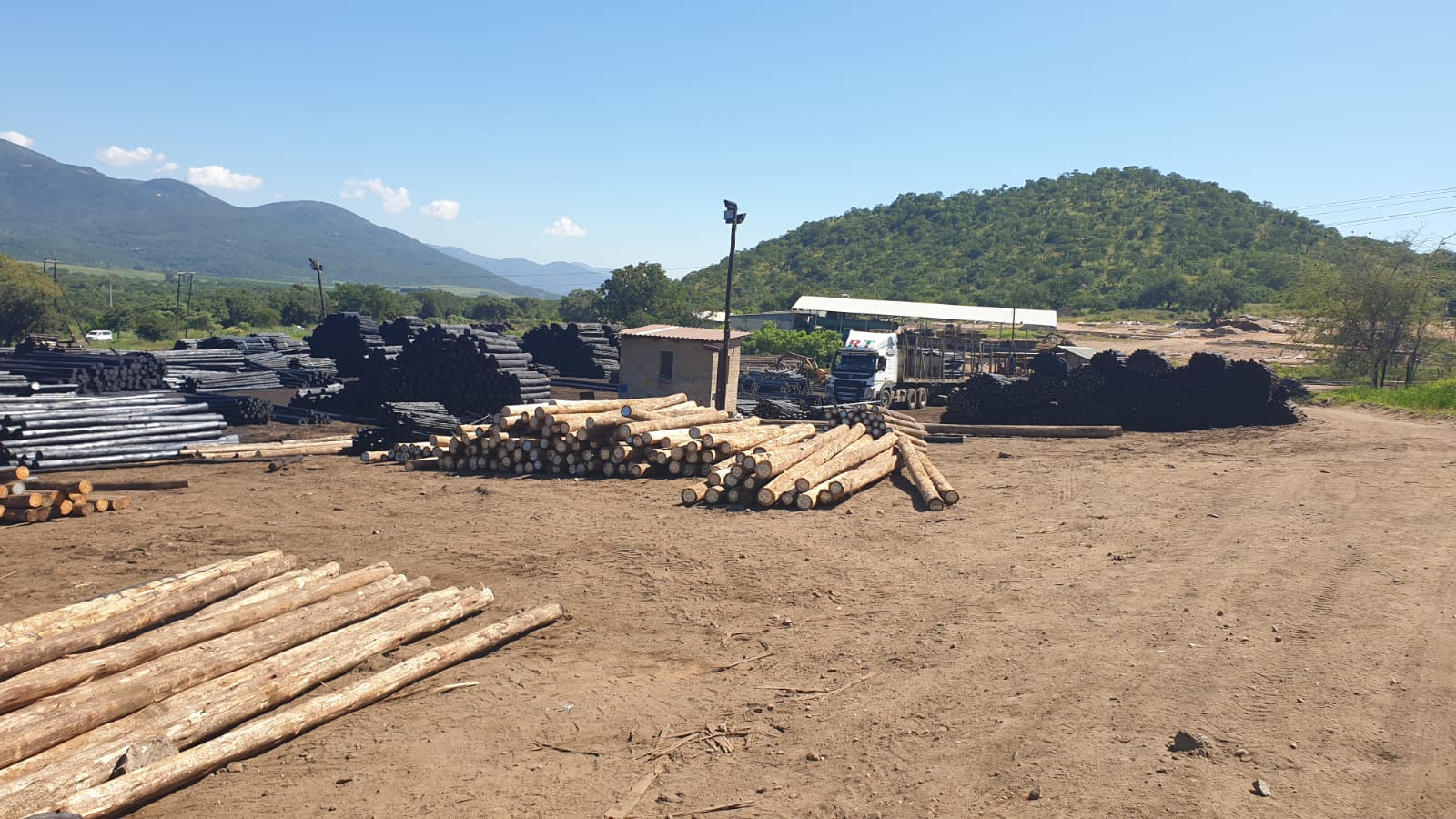
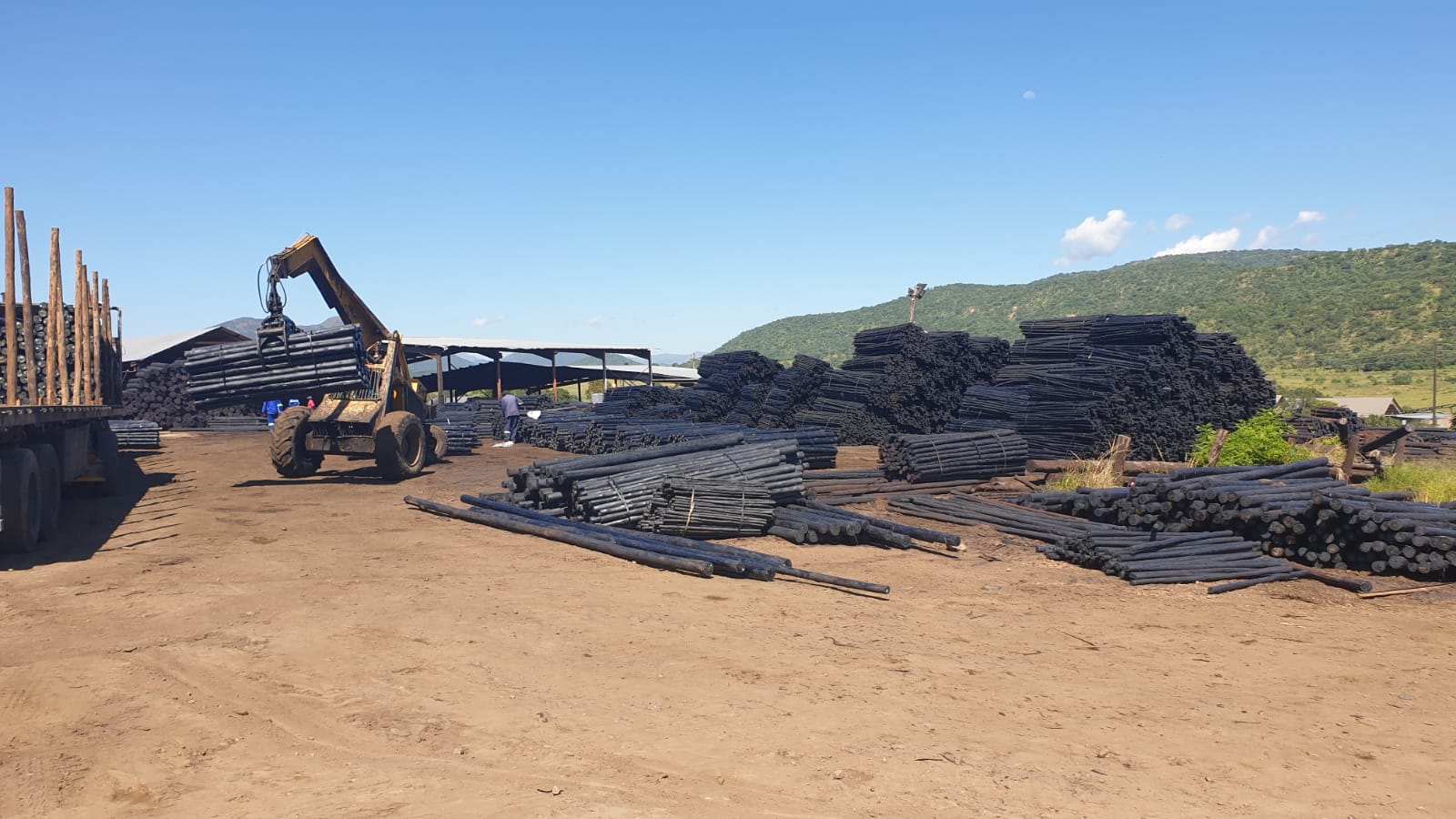
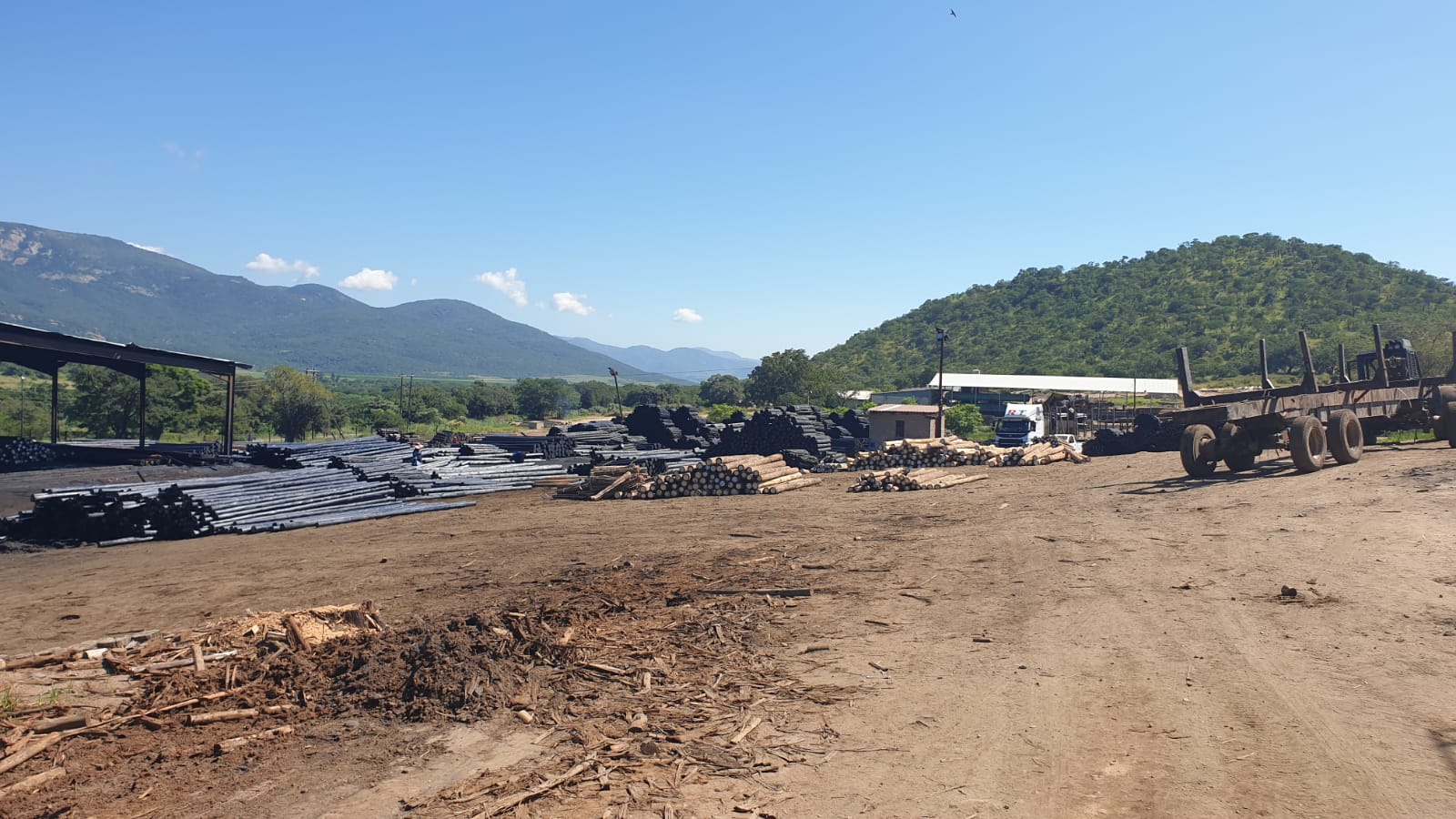
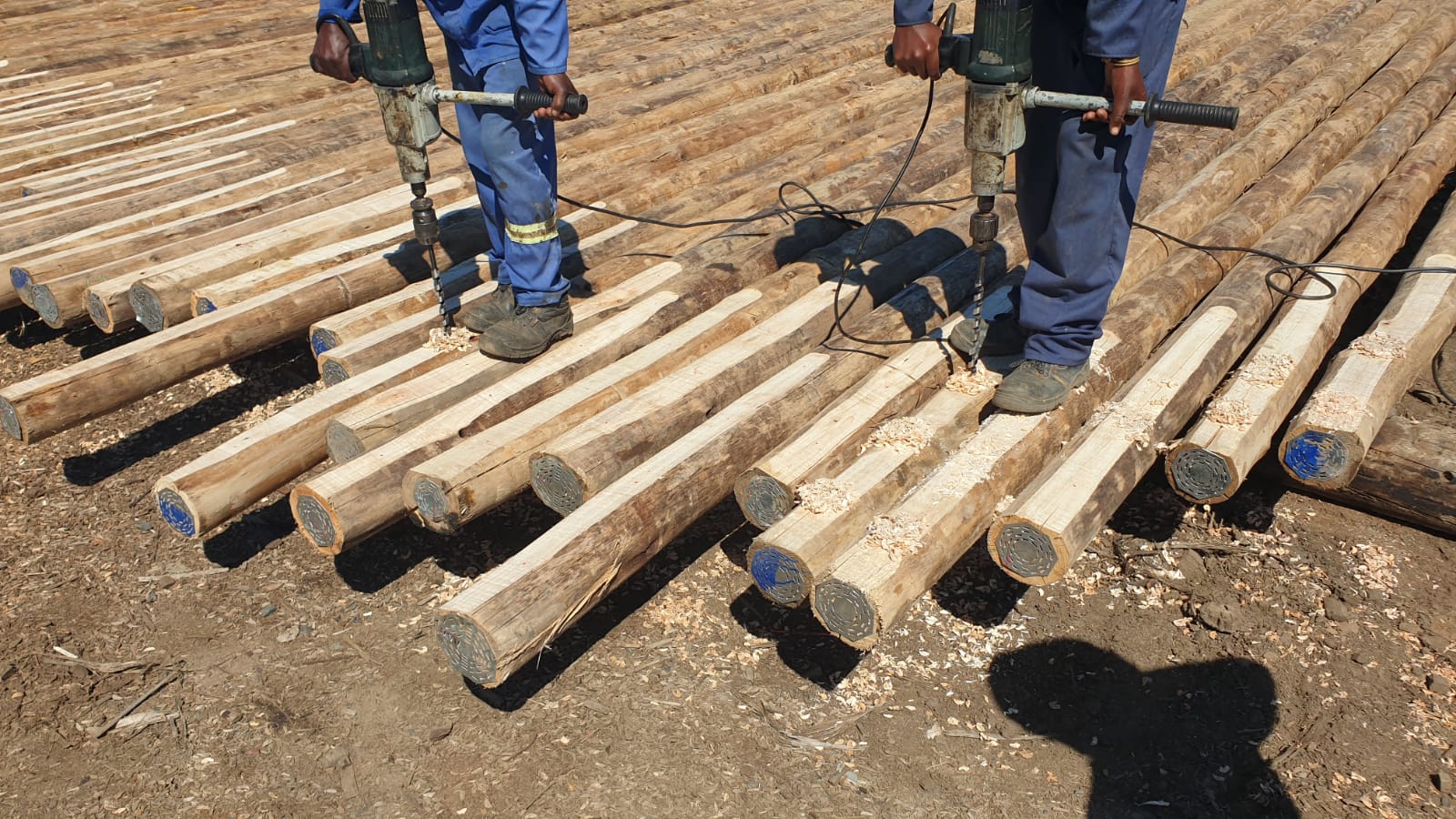
Eucalyptus or Pine poles, kiln dried and pressure treated with Creosote or CCA, to SANS 754 specification, for use in powerline or telecommunication line installation.

The Benefits

Traditionally, installing fibre optic cables in either residential or industrial areas requires trenching and laying infrastructure, and then restoring the environment for its original fashion. This can prove difficult for not only installation teams, but further a burden on home and property owners alike.

By using treated wooden fibre poles, optic cables can instead be routed overhead without the need to disturb existing pavements, roads, or landscapes.

For network operators, trenching open ground, restoring paving or landscapes, and servicing subterranean networks is an expensive task. By leveraging an overground solution, networks can instead use a cost-effective installation method that offers more accessible maintenance opportunities.
When network operators begin installing optical cables to deliver fibre-to-the-home to residential or industrial properties, municipalities may limit one network operator to trench at a time, and might limit the ability for networks to share infrastructure – meaning that multiple operators might each install their own network which can greatly congest space available for underground cabling.

By using treated fibre poles, network operators can avoid this reality and instead assist their clients in rolling out networks faster by opting to install an over-the-ground cabling network.
Not all suburbs are similar, and many may share underground geological obstructions such as bodies of water, bedrock, or older infrastructure that may inhibit a network operator’s ability to complete an underground installation. Overground networks avoid this restriction entirely.
In the event a fibre optic network suffers a break, networks will need to source, re-trench, and repair the damage; causing frustration to clients and property owners alike. With an overground solution built on top of treated wooden poles, networks are able to dismantle and repair infrastructure far more quickly.
While various municipal regulations may inhibit a fibre-to-the-home provider’s ability to share their infrastructure with other partners or competitors, installing an overground solution bypasses many of the restrictions that apply to asphalt roads and common areas. By constructing networks atop wooden posts, networks can instead deliver connectivity co-operatively.

Contact US